Sleep Apnea Treatment

Breathe Better,
Sleep Sounder
Healthy Breathing Habits for Children & Adults
Is Your Breathing Affecting Your Sleep?
Snoring, restless sleep, and waking up tired may be signs of sleep-related breathing difficulties.
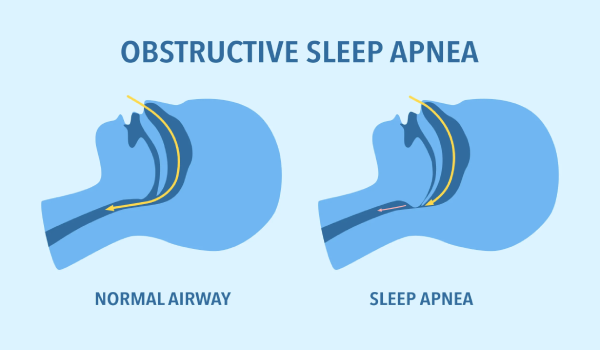
Obstructive sleep apnea (OSA) occurs when the upper airway repeatedly narrows or closes during sleep, interrupting normal breathing.
Although OSA can affect both children and adults, the causes and symptoms may differ. Not everyone who snores has sleep apnea, but persistent symptoms deserve attention.
Signs to Watch For
In Adults
- Loud or frequent snoring
- Gasping or pauses in breathing during sleep
- Morning headaches or dry mouth
- Daytime fatigue or difficulty concentrating
- Frequent nighttime awakenings
In Children
- Frequent snoring or noisy breathing during sleep
- Sleeping with the mouth open
- Restless sleep or unusual sleeping positions
- Difficulty concentrating or behavioral changes
- Daytime sleepiness or hyperactivity
- Bedwetting, especially when accompanied by other sleep symptoms
How Can OMT Help?
Small Exercises. Meaningful Changes.
Orofacial Myofunctional Therapy (OMT) uses individualized exercises and habit training to improve how the tongue, lips, cheeks, and other oral muscles function.
Depending on each person's needs, therapy may focus on:
- Improving tongue strength, endurance, and coordination
- Developing comfortable tongue resting posture
- Supporting relaxed lip closure
- Encouraging nasal breathing when the nasal airway is clear
- Improving oral muscle coordination and functional habits
Research suggests OMT may reduce snoring and improve certain sleep-related symptoms in some patients. Results vary, and evidence is more limited in children.
How OMT WorksWhat About CPAP or Other Sleep Treatments?
OMT Works Best as Part of a Team Approach
For adults with sleep apnea, CPAP is an established treatment that helps keep the airway open during sleep.
For children, treatment depends on the cause of their breathing difficulty. Enlarged tonsils or adenoids, nasal obstruction, and other medical or structural factors may need evaluation.
OMT can complement appropriate medical or dental treatment by addressing oral muscle function and breathing habits. It does not replace prescribed CPAP, surgery, orthodontic treatment, or other indicated care.
A Collaborative Approach to Better Sleep
Your Health. Your Airway. Your Team.
At Tongue & Cheek Care, we recognize that healthy sleep involves more than one part of the body.
We work collaboratively with dentists, orthodontists, ENTs, pediatricians, and sleep specialists to help support each patient's individual needs.
When symptoms suggest a sleep-related breathing disorder, we encourage appropriate medical evaluation and sleep testing when indicated.
Healthy oral function is one piece of the better-sleep puzzle.
Small Habits. Life-Changing Results.
Book Now